Maintaining healthy and beautiful trees in Mesa, Arizona requires more than occasional trimming or watering. The desert climate brings intense heat, low humidity, and occasional cold snaps, all of which affect how trees grow and thrive. Proper seasonal tree care ensures your trees remain strong, disease-free, and visually appealing throughout the year. Whether you’re a homeowner with shade trees or a property manager maintaining landscapes, understanding the specific needs of trees in each season can make a world of difference.
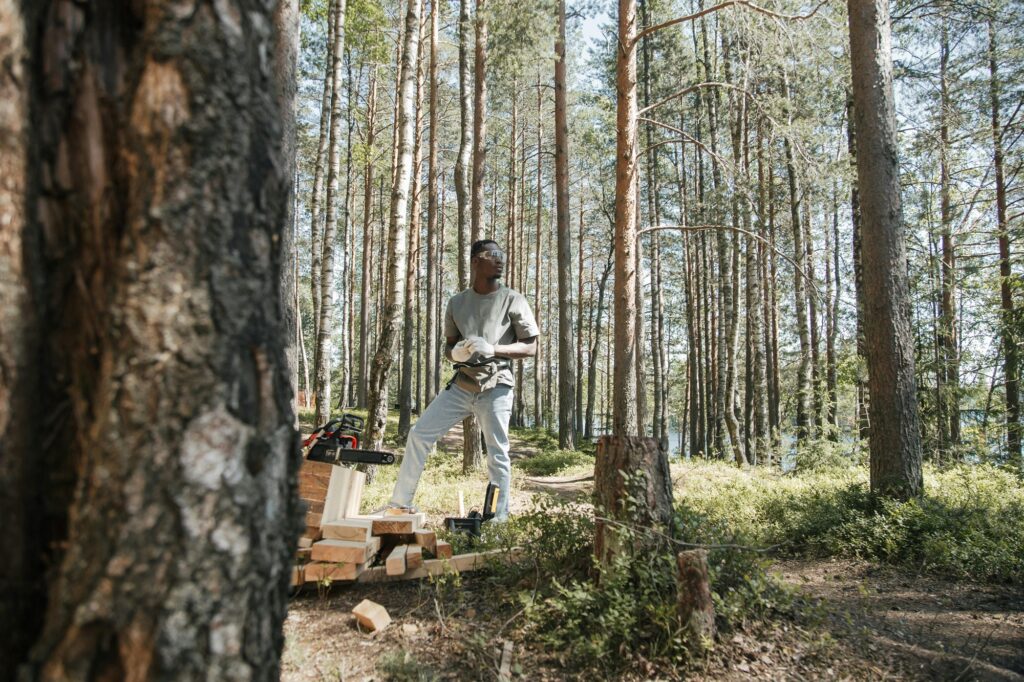
In this comprehensive guide, we’ll walk through the essentials of seasonal tree care in Mesa—from spring growth and summer survival to fall preparation and winter protection.
🌸 Spring: A Time for Renewal and Growth
Spring in Mesa is the perfect time to inspect, prune, and nourish your trees after the cooler winter months. As temperatures begin to rise, trees come out of dormancy and start producing new growth. Here’s what you should focus on during this season:
1. Inspect for Winter Damage
Winter in Mesa can bring occasional frost or wind damage. Check for cracked branches, bark splitting, or discolored leaves that may indicate stress. Removing damaged limbs early helps prevent disease and pest infestations later in the year.
2. Pruning and Shaping
Spring is ideal for pruning most deciduous trees before they fully leaf out. Trim away dead or crossing branches to improve air circulation and encourage healthy growth. Avoid excessive pruning, as this can weaken a tree and reduce its energy reserves just as it’s entering the growing season.
3. Deep Watering
As the weather warms, begin watering your trees more deeply and consistently. In Mesa’s arid climate, it’s best to water slowly and deeply to encourage deep root growth. This helps trees become more drought-resistant as summer approaches.
4. Fertilization
Spring fertilization replenishes nutrients lost over the winter. Use a slow-release, nitrogen-rich fertilizer to support new leaves and strong roots. Be careful not to over-fertilize—too much can lead to rapid but weak growth that’s prone to stress.
5. Pest Prevention
Spring also brings increased pest activity. Watch for signs of aphids, borers, or caterpillars. Early detection allows for natural or professional pest control before infestations spread.
☀️ Summer: Protecting Trees from the Heat
Summer in Mesa is brutal, with temperatures frequently exceeding 100°F. Trees endure significant stress during this period, especially newly planted ones. Proper summer tree care focuses on hydration, shading, and protection from the scorching sun.
1. Adjust Watering Frequency
During summer, increase watering frequency but avoid shallow watering. A deep soak once or twice a week is better than daily light watering. This ensures moisture reaches the roots and prevents surface evaporation. Use drip irrigation or soaker hoses for best results.
2. Mulching
Mulch is a tree’s best friend during hot months. Apply a 3- to 4-inch layer of organic mulch (such as wood chips or bark) around the tree base, leaving a small gap near the trunk. Mulch helps regulate soil temperature, conserve water, and prevent weed growth.
3. Protect Young Trees
Young trees are especially vulnerable to sunburn and dehydration. Wrap trunks with tree guards or shade cloth to reduce sun exposure. Regularly check soil moisture and adjust watering as needed.
4. Avoid Pruning During Peak Heat
Summer pruning can stress trees further by exposing branches and bark to direct sunlight. If you must prune, do so lightly and focus only on removing diseased or dead limbs.
5. Monitor for Pests and Diseases
High temperatures attract insects such as spider mites, scale, and borers. Keep an eye out for unusual leaf spots, holes, or webbing. Contact a certified arborist if you suspect an infestation.
6. Check Irrigation Systems
Ensure your irrigation system is functioning properly and delivering water evenly. Clogged or misaligned sprinklers can lead to dry spots and root dehydration.
🍂 Fall: Preparing Trees for Dormancy
Autumn in Mesa may not bring the dramatic color changes seen in other states, but it’s still a crucial time to prepare trees for the cooler months ahead. As temperatures drop, trees begin to slow their growth, making it an ideal season for maintenance and reinforcement.
1. Light Pruning
Fall is a good time to prune trees after the intense summer heat subsides. Remove weak, dead, or diseased branches that may pose a risk during winter storms. However, avoid heavy pruning that could stimulate new growth right before cooler weather.
2. Fertilize for Strength
A fall fertilization helps trees store essential nutrients for winter and promotes strong root development. Choose a fertilizer with a balanced nutrient mix or one formulated specifically for trees in arid climates.
3. Adjust Watering
While trees need less water as temperatures drop, they still require consistent moisture. Reduce watering frequency but maintain deep watering sessions until the weather cools significantly.
4. Clean Up Debris
Fallen leaves and fruit can harbor pests and fungi. Rake up debris and dispose of it properly to prevent disease from spreading.
5. Check Tree Stability
Autumn winds can sometimes cause leaning or shifting in young trees. Make sure tree stakes are secure but not too tight, allowing for natural movement and trunk strengthening.
❄️ Winter: Protecting Trees from the Cold
Mesa’s winters are generally mild, but occasional frost or cold nights can still damage sensitive trees. Winter care focuses on protection, monitoring, and preparation for the next growth cycle.
1. Frost Protection
Cover young or frost-sensitive trees with burlap, frost cloth, or blankets during cold nights. Remove coverings in the morning to prevent overheating when the sun returns.
2. Minimize Pruning
Avoid pruning trees in winter, as this can stimulate new growth that may be damaged by cold temperatures. Save major pruning for late winter or early spring before new buds form.
3. Water During Dry Spells
Even in winter, trees need occasional watering, especially during extended dry periods. Water deeply once or twice a month if there’s no rainfall.
4. Inspect for Pests and Disease
While pest activity slows down, overwintering insects like borers and aphids can still be present. Regularly check bark and branches for signs of infestation.
5. Mulch and Insulate Roots
Add or refresh mulch to insulate roots against temperature fluctuations. This also reduces weed growth and preserves moisture.
6. Plan for Spring
Winter is the perfect time to plan upcoming tree projects. Consider scheduling professional tree trimming, removal, or planting for early spring when the growing season begins.
🌿 General Year-Round Tree Care Tips for Mesa Residents
No matter the season, healthy trees depend on consistent care and observation. Mesa’s desert conditions can be harsh, but with the right approach, your trees can flourish year-round.
1. Choose Desert-Adapted Trees
Select native or drought-tolerant species such as Palo Verde, Mesquite, or Ironwood. These trees require less water and maintenance while thriving in Mesa’s unique environment.
2. Watch for Signs of Stress
Yellowing leaves, thinning canopies, or premature leaf drop may indicate overwatering, underwatering, or disease. Address these signs promptly to prevent long-term damage.
3. Schedule Regular Inspections
Professional arborists can detect issues you may miss, such as internal decay, root rot, or structural instability. Schedule an annual inspection to ensure your trees stay healthy and safe.
4. Practice Safe Tree Trimming
Improper trimming can cause permanent harm. Always use clean, sharp tools and avoid removing more than 25% of the canopy at once. When in doubt, hire a certified tree care specialist.
5. Keep Trees Away from Structures
Ensure proper spacing between trees and structures like fences, roofs, and power lines. This prevents root interference and property damage.
🌵 Why Seasonal Tree Care Matters in Mesa
Mesa’s environment can be unforgiving—intense sunlight, minimal rainfall, and occasional frost can stress even the hardiest trees. Seasonal care isn’t just about aesthetics; it’s about ensuring your trees’ long-term survival and the safety of your property.
Healthy trees provide valuable shade, reduce cooling costs, increase property value, and enhance your landscape’s beauty. Neglecting their care can lead to costly problems, such as falling branches, pest infestations, or even tree removal.
By adjusting your maintenance routine throughout the year, you help your trees adapt to the changing conditions of Mesa’s desert climate.
🌳 Keeping Mesa’s Trees Thriving All Year Round
Consistent, seasonal tree care is essential for maintaining vibrant and strong trees in Mesa, AZ. Each season presents unique challenges and opportunities—from spring’s growth and summer’s heat protection to fall’s preparation and winter’s safeguarding.
By investing in regular, season-appropriate care, you’ll enjoy the many benefits that healthy trees bring to your home or business—beauty, shade, and peace of mind—all year long.
The written content on this page was generated by perplexity.ai.